
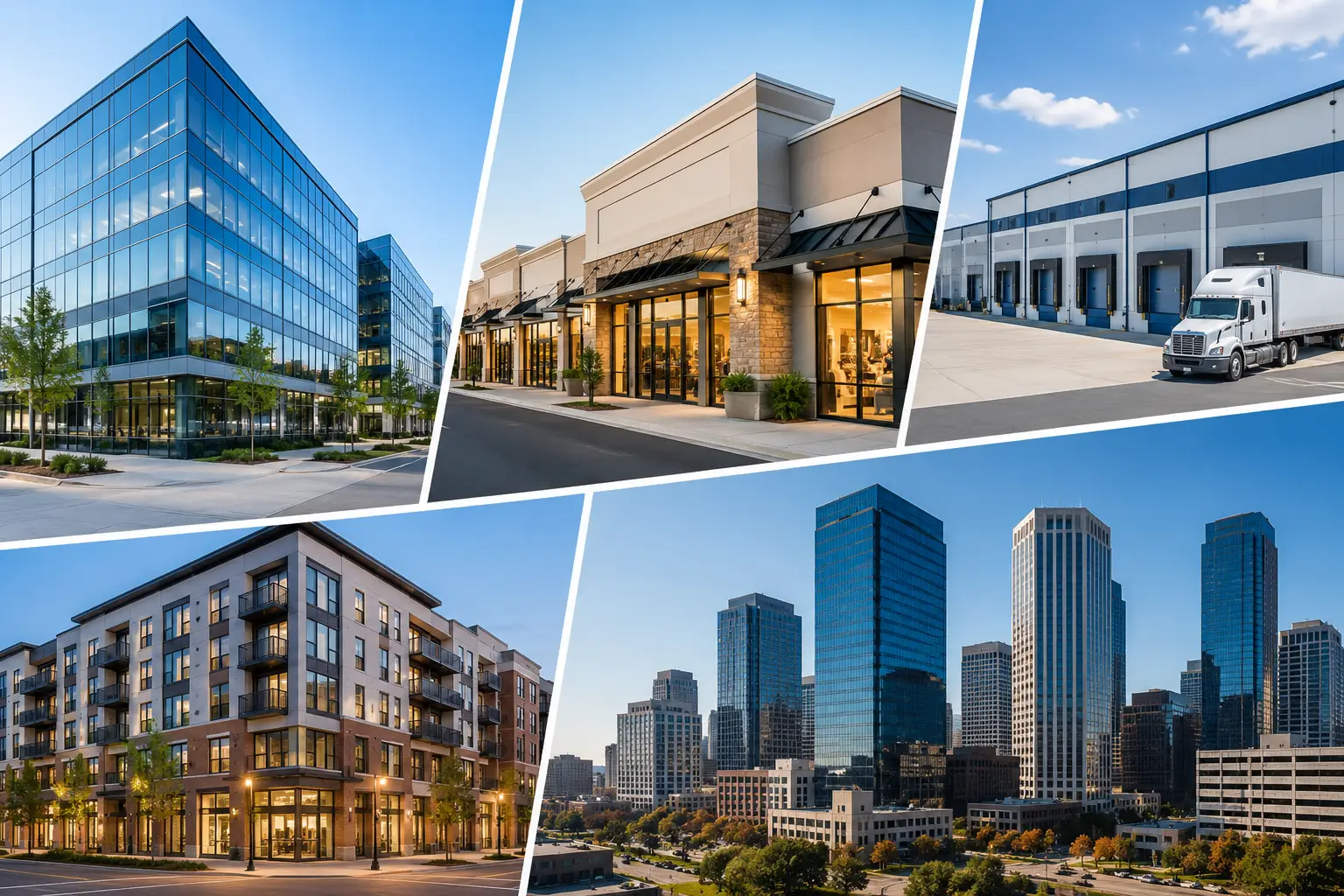

Real estate is often associated with homes, apartments, and residential communities. However, a large part of the property industry exists beyond places where people live. Buildings used for business activities, services, trade, and investment fall into another category known as commercial real estate.
Commercial real estate plays an important role in economic activity because it provides the physical spaces where businesses operate. Offices, retail stores, warehouses, hotels, and shopping centers are all examples of properties connected to this sector.
Understanding commercial real estate helps people recognize how businesses use property and why this part of the market has become an important area for investors, companies, and communities.
Looking Beyond Residential Property
Residential properties are designed mainly for living purposes. Commercial properties, on the other hand, are intended to support business operations or generate income through commercial activity.
A small neighborhood shop, a corporate office building, or a large logistics warehouse can all be considered commercial properties if they are primarily used for business purposes.
The purpose of the property often determines how it is classified.
Commercial real estate focuses less on personal living space and more on business function, economic use, and income potential.
Different Property Types Within Commercial Real Estate
Commercial real estate is not limited to one kind of building. It includes several categories that serve different industries and business needs.
Office Spaces
Office buildings are among the most recognized commercial properties.
They can range from small professional offices to large business towers occupied by multiple companies. These spaces may house technology firms, financial organizations, healthcare providers, or service businesses.
Retail Properties
Retail spaces are used for selling products and services directly to customers.
Examples include shopping centers, supermarkets, standalone stores, and local business outlets.
These locations depend heavily on customer accessibility and surrounding population activity.
Industrial Facilities
Industrial properties support manufacturing, production, storage, and distribution operations.
Warehouses and logistics centers have become increasingly important because of online shopping and expanding supply chains.
Hospitality Properties
Hotels, resorts, and certain accommodation facilities can also fall under commercial real estate because they operate as business assets.
Their value often depends on tourism, location, and customer demand.
Mixed-Use Developments
Some projects combine multiple property types within one area.
For example, a building may contain retail stores on lower floors and office spaces above them.
These developments create environments where different activities operate together.
How Commercial Real Estate Functions in Practice
Commercial real estate typically involves several parties working together.
Property owners may purchase buildings as investments and lease spaces to businesses. Companies rent these locations to operate their activities without buying entire properties.
The process often includes:
- Property acquisition
- Leasing agreements
- Tenant management
- Maintenance responsibilities
- Market analysis
- Investment evaluation
The relationship between owners and tenants often depends on long-term contracts and financial agreements.
Unlike residential rentals, commercial leases can be more detailed and may involve different terms regarding maintenance, taxes, and operational costs.
Why Businesses Depend on Commercial Spaces
Physical space continues to influence how businesses function.
A restaurant requires a location that attracts customers. A warehouse needs access to transportation routes. Offices often seek areas close to employees and services.
The location and design of commercial properties can affect:
- Customer accessibility
- Employee convenience
- Business visibility
- Operational efficiency
- Growth opportunities
Because of these factors, selecting commercial property often becomes a strategic business decision.
Commercial Real Estate as an Investment Area
Many investors view commercial real estate differently from residential property.
Commercial properties may generate income through rental payments and long-term leases. Investors often analyze occupancy rates, market conditions, and property performance before making decisions.
Income potential depends on several factors, including:
- Property location
- Tenant demand
- Economic conditions
- Lease structures
- Industry trends
Investment decisions in commercial real estate usually involve research and financial analysis.
The Influence of Economic and Market Changes
Commercial property markets often respond to broader economic activity.
Business growth can increase demand for office and retail spaces. Economic slowdowns may affect occupancy levels and leasing activity.
Changes in consumer behavior also influence commercial property trends.
For example, online shopping increased demand for logistics centers and warehouses while changing how some retail spaces operate.
Remote work has also affected office space needs in many regions.
As business habits evolve, commercial real estate continues adapting.
The Digital Shift in Commercial Property
Technology has changed how commercial real estate operates.
Property searches, virtual tours, market research, and leasing processes increasingly happen through digital platforms.
Data tools now help businesses and investors evaluate:
- Market performance
- Property trends
- Rental activity
- Demographic information
- Location patterns
Technology supports better decision-making and improves access to information.
Why Commercial Real Estate Matters to Communities
Commercial properties contribute more than business space.
They influence employment opportunities, local development, infrastructure growth, and economic activity.
Shopping areas create jobs. Office buildings support professional industries. Industrial facilities can strengthen supply networks.
Many communities grow around commercial development because businesses often attract additional services and investment.
As a result, commercial real estate affects both local economies and everyday life.
Final Thoughts
Commercial real estate includes properties designed for business activity and income generation. From offices and retail stores to industrial facilities and hotels, this sector supports many parts of the economy.
Its importance extends beyond buildings themselves. Commercial real estate shapes business operations, investment decisions, and community development.
Understanding how it works provides a clearer view of how physical spaces contribute to economic systems and changing market needs.
FAQs
Q: Is commercial real estate the same as residential real estate?
No. Residential properties are mainly for living purposes, while commercial properties are designed for business use.
Q: What are examples of commercial real estate?
Examples include office buildings, shopping centers, warehouses, hotels, and retail stores.
Q: Can commercial real estate be used for investment?
Yes. Many investors purchase commercial properties to generate rental income or long-term returns.
Q: Why is location important in commercial real estate?
Location affects accessibility, customer traffic, business visibility, and overall property value.