Sewer Line Clean Out: What It Is, Why It Matters, and How to Keep It Working Smoothly
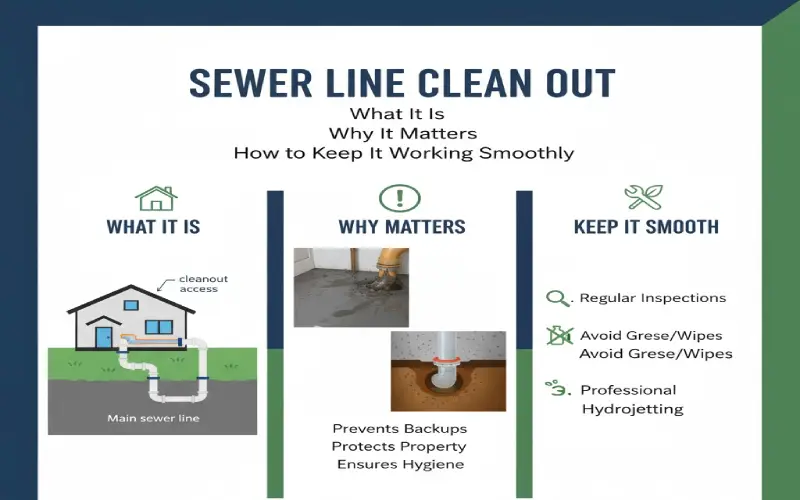
Keeping homes hygienically clean becomes easier when you have working plumbing that whisks away wastewater. However, when a sewer line becomes obstructed, everything from the plumbing system to the sewer line can get clogged. This is where a sewer line cleanout becomes necessary. Understanding a cleanout can help you save time, money, and…
This handy guide is exactly where are we going to talk about sewer cleanouts, how to find them, to keep them functioning, and why they are important. It aims to explain the topic in a simple, straightforward, and easy to digest manner.
What is a sewer line clean out?
A sewer line clean out is an access point that some homes, for some odd reason, do not have. It appears as a protruding and capped pipe that, from time to time, is noticeable above the concrete either outside the home or in a basement. The cleanout is designed so that… for cleaning, and removal of plumbing.
In the absence of cleanouts, resolving sewer issues is more difficult because experts have to take out toilets or make incisions into pipes to get to the clog. Thus, having this small pipe can make an enormous difference in emergency situations.
The Importance of Sewer Line Clean Out
While clean outs may be considered as a convenience, clean outs are essential to any plumbing system’s health.
1. Repairing Gets Easier
What makes sewer line blockages hard to fix are time constraints. Having a clean out allows plumbing to have easy access to blockages, making time spent in labor less and lowering costs for repairs.
2. Preventing Damage
Over time, a clogged sewer line will cause major backups of wastewater that will flow into sinks, showers, and toilets. This makes it an unpleasant and damaging situation to any floors, wall, and furniture that are nearby. Having a clean out makes it easier to fix minor issues before they become major problems.
3. Sewage Maintenance Made Easier
Having clean outs makes it easy to regularly maintain sewer lines, especially in older homes or homes with trees in the yard. Sewer lines can be easily looked at with a camera to check for breaks, tree roots, or buildup inside the pipe.
4. Better Efficiency
Once a sewer line is allowed to flow, the plumbing system will work at an optimal performance level. Drains will empty properly and toilets will flush with no problems. Sewage backups will also be a thing of the past.
How to Find Your Sewer Line Clean Out
Even though clean outs are usually on the property, many homeowners have never seen theirs. Here are the most common locations:
1. In Your Yard
Most houses have their clean out placed in the front or back yard, usually near a house’s foundation where the main sewer line leaves the house. It might be covered with a cap, which can be plastic or metal, and are usually black or white.
2. By Your Bathroom
Since the sewer lines connect to the house’s main drainage system, the clean out might be found outside walls of the bathrooms.
3. In Your Basement
Some older homes also have clean outs placed in the basement, usually on a vertical drain stack or main sewer pipe.
4. In Your Landscaping
If the clean out has been covered or is missing, it is most likely covered with soil, grass, or mulch. A plumber’s locating tool or metal detector can help save some time in the search.
If you still can’t find where it is located, a professional plumber should be able to find it without trouble.
Indications Your Sewer Line Requires Cleaning
A sewer line almost never gets clogged from one day to the next. There are indications that come before things get worse. If you are able to identify them in the early stages, you will be able to avoid more significant issues.
1. Multiple Slow Drains in Your Home
It is likely more localized to one area if just one sink is slow. But, if more than one drain is slow, the issue is likely in your main sewer line.
2. Gurgling Noises
If you hear gurgling in your sink and toilet and hear the bubbling sounds, that means there is likely blockage in that plumbing. Air is trapped in these pipes.
3. Unpleasant Smells
If you are smelling sewer gas around your property, it likely means you have something obstructing your system.
4. Backflow from Drains
If there is water coming back up from the tub drains or even the drains in your basement, there is no question that there is one significant blockage in your sewer service.
5. Overly Green and Wet Patch of Your Lawn
If you’ve noticed that one area of your yard is especially green or is frequently wet, the sewer line is probably leaking.
Reasons Sewer Lines Get Clogged
There are a variety of reasons sewer lines get clogged. Understanding these reasons will help combat issues in the future.
1. Roots from Trees
Roots of trees are always seeking for a constant water source and as a result will break into sewer pipes through even the smallest of cracks.
2. Grease
If you are someone that pours grease down the drain, that will create a very thick buildup that will, in time, cause the pipe to be blocked.
3. Paper Products
Products made of paper like wipes, tissues, paper towels, and feminine products are easily flushed down the toilet but will quickly clog yours.
4. Old or Damaged Pipes
Old sewer systems often develop old structural issues like cracks, dips, and even complete collapses.
5. Debris or Sediment
Over time, the dirt, soap scum, and minerals that build up slowly narrow the pipe.
How Professionals Clean a Sewer Line Through the Clean Out
A clean out makes the cleaning process much easier. Here’s how plumbers typically handle the job:
1. Inspection
A small camera is inserted through the clean out to locate the blockage and check pipe condition.
2. Snaking (Augering)
A long, motorized cable rotates inside the pipe, breaking apart clogs caused by debris or paper.
3. Hydro Jetting
A high-pressure stream of water blasts away grease, roots, and buildup, leaving the pipe clean.
4. Repairs if Needed
If the line is broken or collapsed, the plumber may recommend pipe relining or replacement.
Can You Clean the Sewer Line Yourself?
Minor clogs can sometimes be handled by homeowners using basic drain snakes, but deep sewer line blockages usually need professional tools. Attempting DIY cleaning without experience may damage the pipe or push the blockage deeper.
For major sewer issues, calling a licensed plumber is the safest option.
Tips to Prevent Future Sewer Line Problems
A few simple habits can make your sewer line last longer and work more efficiently.
-
Avoid flushing wipes or anything other than toilet paper.
-
Keep grease and fat out of the kitchen sink.
-
Schedule a professional sewer line inspection every one to two years.
-
Be careful when planting trees near sewer lines.
-
Use drain screens to catch hair and debris.
FAQs
Q: How often should a sewer line be cleaned?
Every one to two years is recommended, especially for older homes or properties with trees nearby.
Q: Is a sewer clean out required for all homes?
Most modern homes have one, but older houses may not. Installing one is helpful for easy maintenance.
Q: Can tree roots be removed from the sewer line?
Yes, plumbers use hydro jetting or mechanical cutting tools to remove roots.
Q: What should I do if sewage backs up into my home?
Stop using water immediately and call a professional plumber to inspect and clear the blockage.