
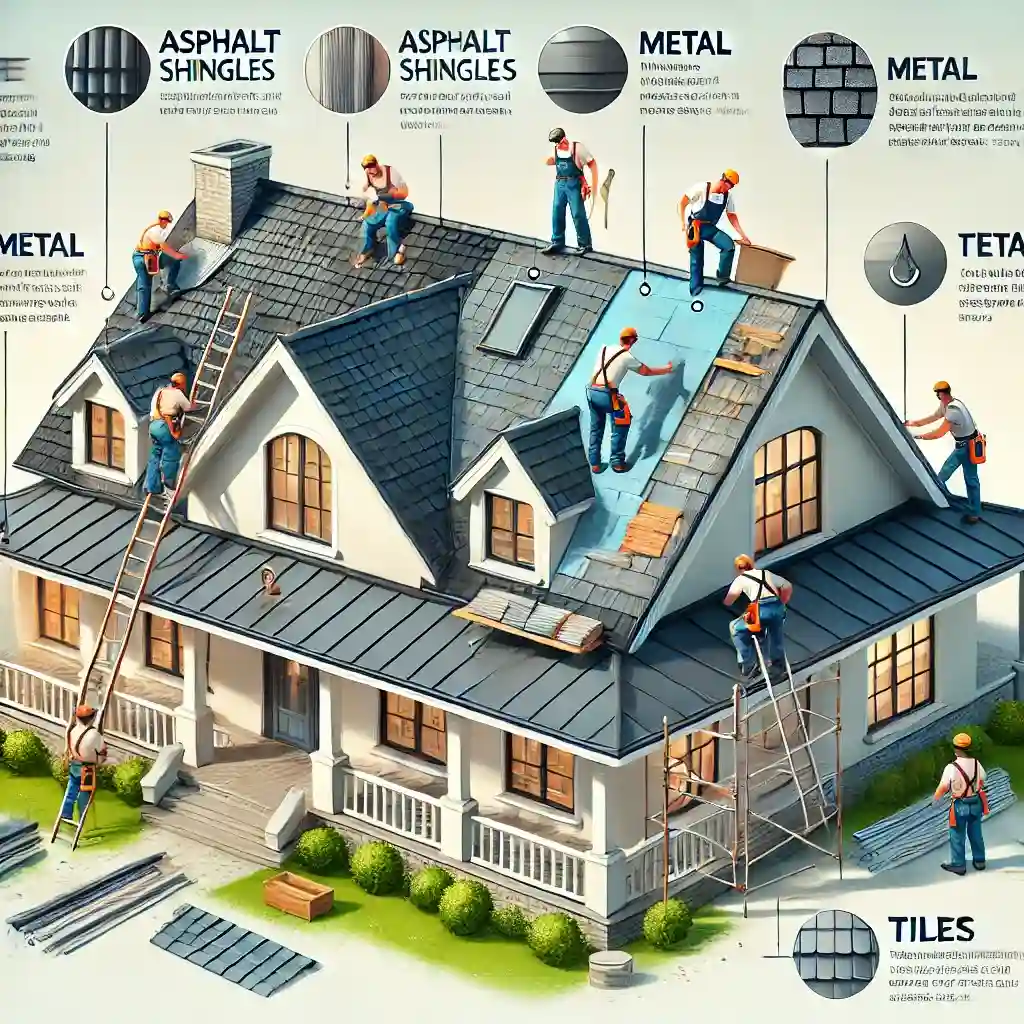

Replacing a home’s roof is one of the most critical structural and financial investments a homeowner will ever make. Discover the actual national averages, cost breakdown per square foot, material pros and cons, labor rates, hidden structural fees, and smart strategies to lower your overall roof replacement estimate.
Table of Contents
- 1. Executive Summary: Average Roof Replacement Costs
- 2. How Roofers Calculate Cost: Understanding “Roofing Squares”
- 3. Material Breakdown: Costs, Lifespan, and ROI by Material Type
- 4. Labor vs. Material Cost Distribution
- 5. Key Factors That Drive Up Roof Replacement Costs
- 6. Hidden & Additional Costs (Decking, Flashing, and Ventilation)
- 7. Tear-Off vs. Overlay (Layover): Pros, Cons, and Cost Impact
- 8. Step-by-Step Roof Replacement Process & Timeline
- 9. Insurance Claims vs. Out-of-Pocket Financing
- 10. How to Vet Roofing Contractors & Avoid Estimate Scams
- 11. Frequently Asked Questions (Comprehensive FAQs)
1. Executive Summary: Average Roof Replacement Costs
On average, replacing a residential roof costs between $8,500 and $16,500 for a typical 2,000-square-foot, single-family home using standard architectural asphalt shingles. However, depending on your choice of materials, home geometry, location, and roof accessibility, overall project costs can range from as low as $5,500 for a simple asphalt overlay to upwards of $45,000+ for premium slate, standing seam metal, or luxury clay tile systems.
A full roof replacement is not merely a cosmetic upgrade; it is a structural defense system. A properly installed roof protects the foundation, framing, insulation, and interior air quality from water intrusion, mold, and environmental degradation while yielding a national Return on Investment (ROI) of 60% to 70% during resale.
2. How Roofers Calculate Cost: Understanding “Roofing Squares”
Unlike standard interior remodeling projects quoted by the square foot, professional roofing contractors measure, order materials, and price labor based on a unit called a “Roofing Square”.
What Is a Roofing Square?
A roofing square represents an area of 100 square feet of roof surface. For example, if the calculated surface area of your roof is 2,200 square feet, your home requires 22 squares of materials.
Roof Footprint vs. Actual Surface Area
Homeowners often confuse their home’s ground footprint with the actual roof surface area. A 2,000-square-foot home does not equal 2,000 square feet of roofing material. Because roofs are sloped (pitched) and include architectural overhangs, eaves, dormers, and gables, the actual roof surface area is typically 15% to 40% larger than the home’s interior floor area.
Formula: Ground Footprint Area × Pitch Multiplier + Waste Factor (10% to 15%) = Total Roofing Squares Required.
3. Material Breakdown: Costs, Lifespan, and ROI by Material Type
The single largest factor dictating the final price tag of a replacement roof is your selection of roofing material. Below is an in-depth breakdown of major roofing materials, average installed costs per square, expected lifespans, and performance characteristics.
| Roofing Material | Cost per Square (Installed) | Avg. Cost for 2,000 Sq. Ft. Home | Expected Lifespan | Wind & Fire Resistance |
|---|---|---|---|---|
| 3-Tab Asphalt Shingles | $300 – $450 | $6,000 – $9,000 | 15 – 20 Years | Moderate (Up to 60 mph winds) |
| Architectural (Dimensional) Shingles | $420 – $700 | $8,400 – $14,000 | 25 – 30 Years | High (Up to 110-130 mph winds) |
| Exposed Fastener Metal (Corrugated) | $500 – $800 | $10,000 – $16,000 | 30 – 40 Years | High Class A Fire Rating |
| Standing Seam Metal | $900 – $1,600 | $18,000 – $32,000 | 50+ Years | Extreme (Concealed fasteners prevent leaks) |
| Wood Shakes / Shingles | $700 – $1,200 | $14,000 – $24,000 | 25 – 40 Years | Requires special chemical fire treatments |
| Clay / Concrete Tiles | $1,000 – $2,200 | $20,000 – $44,000 | 50 – 100 Years | Extreme durability; requires reinforced framing |
| Natural Slate Stone | $1,500 – $3,000+ | $30,000 – $60,000+ | 75 – 150 Years | Impervious to rot, fire, and biological growth |
A. Asphalt Shingles (Most Popular)
Asphalt shingles dominate the residential roofing market, covering nearly 80% of North American homes. 3-Tab shingles are flat, single-layer strips—economical but vulnerable to wind blow-offs. Architectural (Dimensional) shingles feature multi-layered laminate construction, imitating wood or slate while offering superior durability and heavy wind warranties.
B. Metal Roofing (Best Value Longevity)
Metal roofs are rising sharply in popularity due to energy efficiency, solar reflective properties, and longevity. While exposed-fastener panels are cheaper, Standing Seam Metal features interlocking concealed fasteners that expand and contract freely during temperature shifts, ensuring zero exposed screw penetrations for water to infiltrate.
C. Slate and Clay Tile (Luxury / Architectural Specialty)
Slate and clay tiles represent the pinnacle of roofing durability, lasting over a century. However, their extreme weight (often 800 to 1,500 lbs per square) usually requires a structural engineer to inspect and reinforce the home’s wooden rafters and roof trusses before installation.
4. Labor vs. Material Cost Distribution
Understanding where your money goes in a contractor’s line-item quote helps in evaluating whether an estimate is fair.
- Labor Costs (50% – 60% of total): Roofing is physically grueling, high-hazard trade work requiring specialized safety gear, worker’s compensation insurance, and trained craftsmanship. Labor includes old roof tear-off, surface prep, underlayment rolling, flashing metal fabrication, and shingle installation.
- Material Costs (30% – 40% of total): Covers primary shingles/panels, starter strips, ridge cap shingles, synthetic underlayment, ice and water shield membranes, drip edge flashing, pipe boots, and nails.
- Disposal & Equipment (10% of total): Dumpster rental, landfill dumping fees by tonnage, magnetic sweep-up, and site protection tarps.
5. Key Factors That Drive Up Roof Replacement Costs
No two homes receive identical roofing quotes, even if they share the same square footage. Contractors evaluate several physical site variables when generating an estimate:
1. Pitch (Slope) of the Roof
Roof pitch is expressed as a ratio of vertical rise over a 12-inch horizontal run (e.g., 4/12 pitch means a 4-inch rise every 12 inches). Roofs steeper than 6/12 are non-walkable without safety harnesses, staging scaffolding, and roof jacks. Labor rates rise dramatically on steep pitches due to reduced crew mobility and mandatory safety rigging.
2. Accessibility and Complex Geometry
A simple rectangular ranch-style home with a straight gable roof is fast and inexpensive to re-roof. Conversely, complex roofs featuring multiple dormers, valleys, skylights, chimneys, turrets, and tight residential access (where dumpsters cannot be parked close to the eaves) demand significantly more manual labor and waste material slicing.
3. Stories and Height
Two-story and three-story homes cost 10% to 25% more in labor than single-story structures. Carrying bundles of shingles (which weigh 60 to 80 lbs each) up ladders or staging booms takes additional time and effort.
4. Local Geographic Labor Rates & Building Codes
Contractor labor costs align with local living expenses. Urban coastal regions charge higher hourly trade rates than rural inland areas. Furthermore, regions prone to hurricanes or severe winter freezes enforce strict building codes—requiring mandatory self-adhering ice and water shield membranes across eaves or specific high-wind nailing patterns.
6. Hidden & Additional Costs (Decking, Flashing, and Ventilation)
When a contractor tears off your old shingles, hidden structural defects may be exposed that were invisible during the initial ground inspection. These add-ons are priced as contingency costs:
| Component / Repair | Estimated Cost | Why It Is Necessary |
|---|---|---|
| Plywood / OSB Decking Replacement | $75 – $120 per sheet (32 sq. ft.) | Rotted, warped, or water-damaged plywood sheathing cannot securely hold nails and must be replaced. |
| Step & Valley Flashing Replacement | $15 – $30 per linear foot | Corroded metal flashing around chimneys, dormers, and wall intersections will cause hidden wall leaks. |
| Ice and Water Shield Membrane | $100 – $180 per roll | Rubberized waterproof membrane required along eaves and valleys to prevent ice-dam water back-ups. |
| Ridge Vents & Soffit Ventilation | $300 – $900 total | Proper intake/exhaust air circulation prevents attic heat buildup that cooks shingles from below. |
| Chimney Re-Pointing / Masonry Repair | $500 – $2,000 | Cracked brickwork or mortar around chimney bases prevents flashing from sealing watertight. |
| Gutter System Replacement | $1,200 – $3,200 | Old gutters damaged during roof tear-off or sagging should be replaced alongside new drip edge flashing. |
7. Tear-Off vs. Overlay (Layover): Pros, Cons, and Cost Impact
When replacing an existing shingle roof, homeowners face a critical choice: strip off the old layer entirely (Tear-Off) or nail new shingles directly over the existing ones (Overlay).
A. The Overlay Option (Layover)
An overlay saves approximately $1,000 to $2,500 upfront by eliminating tear-off labor and dumpster dumping fees.
- Cons: Adds significant weight to roof rafters; hides underlying rot or water-damaged decking; traps extra heat (shortening the new shingles’ life by 20%); voids many manufacturer warranties; building codes limit homes to a maximum of 2 layers.
B. The Full Tear-Off Option (Recommended)
A full tear-off strips the roof bare down to the wood plywood decking.
- Pros: Allows complete inspection and repair of rotted wood decking; allows installation of modern synthetic underlayments and ice membranes; ensures maximum manufacturer warranty coverage and maximum roof lifespan.
8. Step-by-Step Roof Replacement Process & Timeline
Understanding the operational flow of a roof replacement project helps set expectations. A standard asphalt shingle project on an average home takes 1 to 3 days to complete.
- Property Protection (Pre-Game Prep): The crew lays heavy tarps over landscaping, decks, air conditioning units, and driveway zones. Dumpsters or dump trucks are backed into position.
- Tear-Off: Workers use specialized shingle forks to strip old shingles, felt paper, and rusted flashing down to the bare wooden plywood deck.
- Deck Inspection & Repair: Damaged, soft, or rotted plywood sheets are cut out and replaced with fresh OSB or exterior-grade plywood.
- Drip Edge & Membrane Installation: Corrosion-resistant metal drip edge flashing is installed along eaves. Self-adhering ice and water shield membranes are laid in valleys, around chimneys, and along low eaves.
- Underlayment Application: Breathable synthetic underlayment is rolled across the rest of the roof deck and stapled securely to provide secondary water resistance.
- Starter Shingles & Main Shingle Course: Starter shingle strips are installed along the edges to prevent wind uplift. The main shingle courses are laid using pneumatic nail guns (4 to 6 nails per shingle depending on wind zones).
- Flashing & Ridge Vents: New step flashing, counter flashing, and rubber pipe boots are fitted. Ridge vents are cut along the roof peak and covered with specialized cap shingles.
- Clean-Up & Magnetic Sweep: Tarps are removed, gutters are cleared of debris, and rolling magnetic sweeps pass over the lawn multiple times to pick up stray roofing nails.
9. Insurance Claims vs. Out-of-Pocket Financing
When Does Homeowners Insurance Cover Roof Replacement?
Homeowners insurance policies cover full roof replacements if the damage is caused by sudden, accidental peril—such as hail storms, falling trees, hurricane winds, or severe windstorms. Insurance does NOT cover replacement due to general wear-and-tear, age, or neglected maintenance.
Actual Cash Value (ACV) vs. Replacement Cost Value (RCV)
- ACV Policies: Pay for the depreciated value of the old roof based on its age. Out-of-pocket costs for the homeowner will be higher.
- RCV Policies: Pay the full current market cost to replace the roof with materials of like kind and quality, minus your policy deductible.
Financing Options for Out-of-Pocket Replacements
If insurance does not apply, common funding methods include Home Equity Lines of Credit (HELOC), cash-out refinances, personal home improvement loans, or short-term 0% APR contractor financing plans.
10. How to Vet Roofing Contractors & Avoid Estimate Scams
The quality of your roof relies as much on installation craftsmanship as it does on material manufacturing. Avoid storm chasers and low-ball contractors by following this vetting protocol:
- Verify Licensing & General Liability Insurance: Ensure the contractor holds a valid state contractor license and carries at least $1,000,000 in General Liability insurance alongside active Worker’s Compensation for all crew members.
- Demand Manufacturer Certifications: Look for factory-certified contractors (e.g., GAF Master Elite, CertainTeed Select ShingleMaster, or Owens Corning Platinum Preferred). These designations allow contractors to offer extended non-prorated system warranties (up to 50 years).
- Get 3 Detailed Line-Item Estimates: Never accept a single lump-sum figure. Estimates should detail tear-off costs, specific material brands/lines, underlayment types, flashing protocols, and per-sheet plywood replacement rates.
- Avoid Storm Chaser Scams: Beware of out-of-state door-knockers who offer to “pay your insurance deductible.” Falsifying insurance deductibles is illegal in most states.
11. Frequently Asked Questions (Comprehensive FAQs)
Q1: What is the cheapest time of year to replace a roof?
Late winter and early spring are generally the most affordable times to replace a roof. Late summer through late autumn is peak roofing season, when contractor schedules are packed and labor rates are highest.
Q2: How do I know if my roof needs a full replacement or just a repair?
If your roof is under 15 years old and experiencing a localized leak or a few blown-off shingles, a spot repair ($300 – $800) is appropriate. However, if the roof is over 20 years old, curling/cupping across large areas, losing excessive shingle granules into gutters, or sagging along rafters, a full replacement is required.
Q3: Can I replace my roof myself (DIY)?
D.I.Y. roof replacement is strongly discouraged. Roofing carries severe safety hazards (falls are a leading cause of construction injuries). Improper installation voids manufacturer warranties, risks code violations, and frequently leads to hidden structural water leaks that cost thousands more to fix later.
Q4: How long does a roof replacement take?
For an average 2,000 to 2,500 sq. ft. home using asphalt shingles, a professional crew completes the entire tear-off and replacement in 1 to 2 days, weather permitting. Specialty materials like standing seam metal or tile require 3 to 7 days.
Q5: Will a new roof lower my home insurance premiums?
Yes, frequently. Installing Class 4 impact-resistant architectural shingles or fire-rated metal roofs can qualify you for premium discounts of 5% to 20% on homeowners insurance, particularly in regions prone to severe hail or wildfires.